
Is a smart thermostat really saving you money — or just showing off?
We dove into this question not as gadget fans, but as responsible homeowners trying to understand:
Is this actually a smart investment, or just another shiny box on the wall with Wi-Fi?
🏠 First — what is a thermostat, and why does it matter?
A thermostat is the brain of your home’s heating and cooling system (HVAC).
It controls when the heat or AC turns on or off, keeping your space at the temperature you set.
A basic thermostat is a glorified switch: set the number, walk away.
A smart thermostat? That’s a whole different level.
🤖 What can a smart thermostat actually do?
While features vary by brand (Nest, ecobee, Honeywell, tado°, etc.), most modern smart thermostats can:
Learn your routine: for example, lower the heat when you leave every morning.
Use geolocation to know when you’re home (via your phone).
Analyze weather and adjust your settings accordingly.
Remote control: change the temp from your phone, wherever you are.
Integrate with other smart devices (lights, locks, voice assistants).
Provide detailed usage reports so you can track energy patterns.
It’s not just convenient — it can impact your monthly bills.
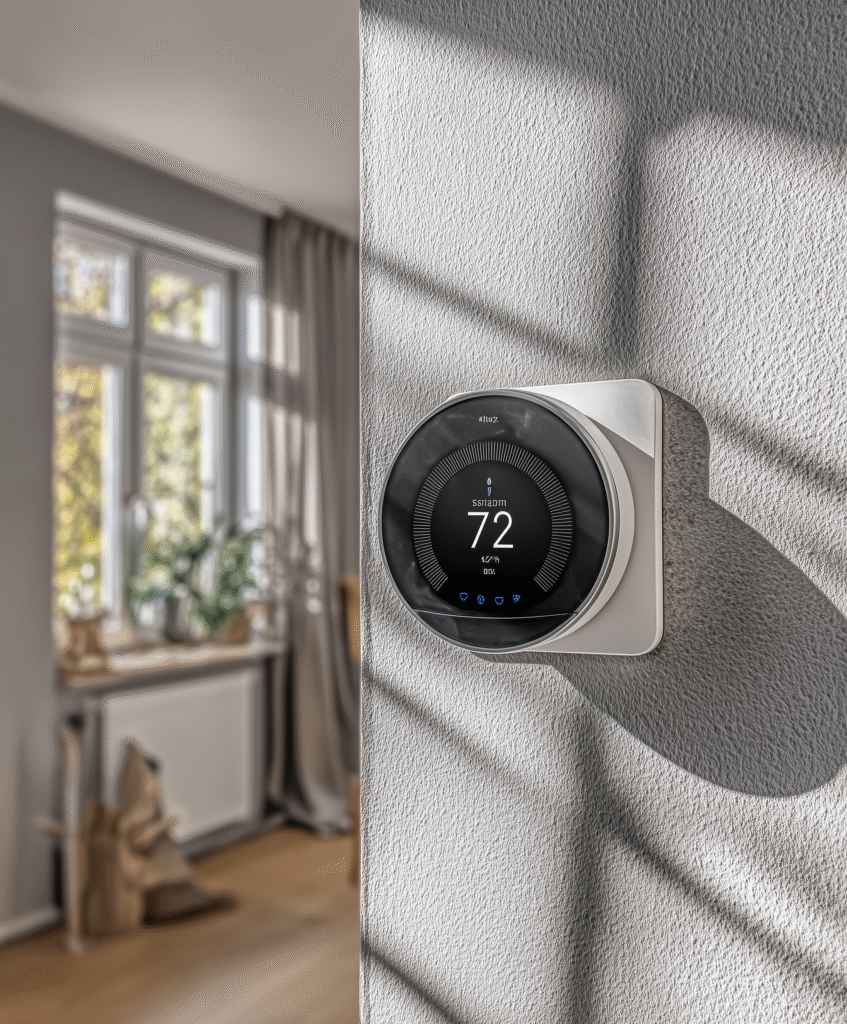
🧪 We ran a test — but with an important disclaimer
We tested how much a smart thermostat could actually save,
but here’s the catch:
No single test can apply to everyone.
Results will vary based on:
✅ Type of home (apartment or house)
✅ Insulation quality and wall thickness
✅ Type of heating system (gas, electric, heat pump)
✅ Local weather and climate
✅ How you use it: manual overrides can reduce effectiveness
📍Our setup: mid-size apartment in Toronto, two adults, gas heating, average insulation, using the ecobee Smart Thermostat Premium.
📊 Results after 1 month:
💰 Average heating savings: 14–17%
📉 Lower energy spikes during evening hours
📱 Full control via smartphone — no need to be home
🧠 Smart suggestions helped optimize our heating schedule automatically
⚠️ But it’s not all perfect:
❄️ Poor insulation? You’ll save less — simple as that.
🔌 Some models require additional wiring (C-wire) to work properly
🧓 Elderly users may find the interface overwhelming
💸 Some thermostats cost $200–300, plus installation
🎯 The takeaway:
A smart thermostat isn’t magic — but it’s a real step toward energy efficiency.
It won’t change everything overnight,
but it can reduce your bills over time, streamline your daily routine, and make your home feel smarter.
Best results come in well-insulated homes with a stable routine.
Still, even in a basic apartment — it’s a noticeable improvement.
📌 Now we want to hear from you:
Do you already have a smart thermostat? Have you seen actual savings?
Let us know in the comments.
 English
  Ukrainian